
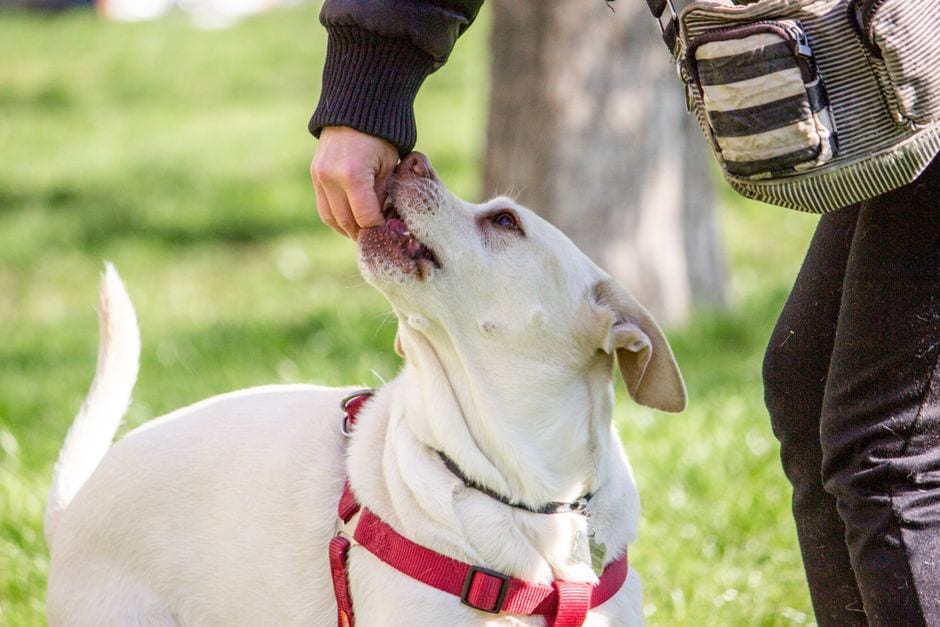
Dog training often goes off course not because a dog is stubborn, but because the instructions change from one moment to the next.
Consistency matters
The good news is that you can correct many common training mistakes with patience, clarity, and realistic expectations.
Mistake one is changing the rules.
If jumping on the couch is allowed one day but punished the next, the dog has little chance of understanding the boundary.
Decide what behavior is acceptable, explain the plan to everyone in the household, and consistently reinforce the same expectations.
Reward the behavior you want to see instead of waiting for a mistake to give you a reason to react.
Mistake two is practicing only when something goes wrong.
Calling a dog away from a distraction is much harder if coming when called has rarely been rewarded in quiet surroundings.
Begin in an easy environment, reward success, and gradually add distractions as your dog becomes more reliable.
Keep the early sessions short enough that your dog remains engaged.
Reward the behavior you want
Mistake three is rewarding too late.
Dogs learn more easily when a reward follows the desired action promptly, making the connection between behavior and outcome clear.
For example, if you are teaching a sit, reward the moment your dog sits rather than after the dog stands up again.
A consistent marker word can help communicate exactly which action earned the reward.
Mistake four is expecting too much too quickly.
|
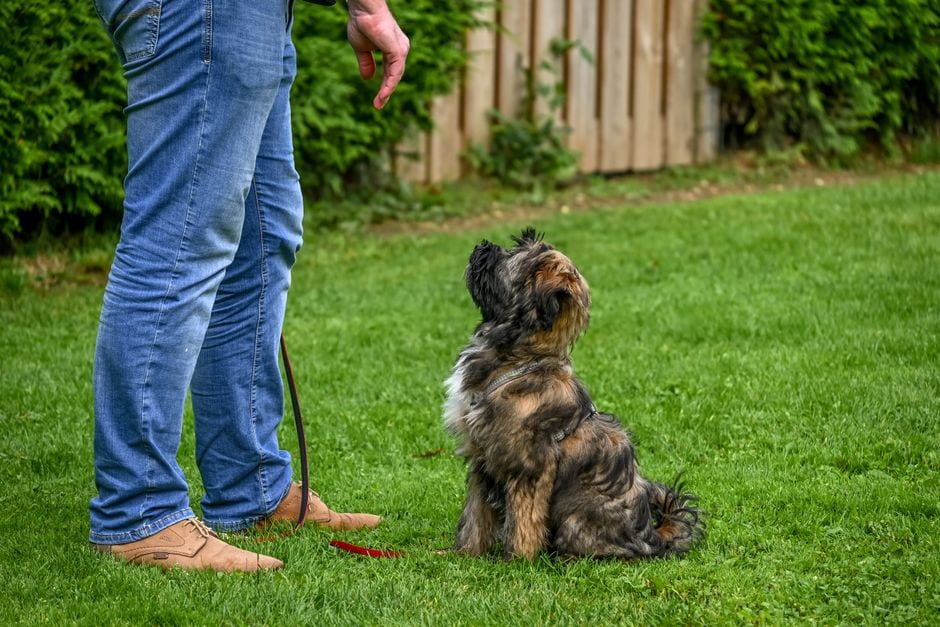 Photo by Lorna Pauli on Pexels |
A puppy, an adolescent dog, and an adult rescue may have very different attention spans and learning histories.
Progress is rarely a straight line, particularly in unfamiliar places or around exciting smells, people, and other animals.
If your dog struggles, make the task easier instead of repeating the same difficult request louder.
Practice in brief bursts, then end with a simple success you can both enjoy.
Mistake five is treating fear or frustration as disobedience.
Watch for stress signals
A dog that freezes, hides, growls, or avoids a situation may be overwhelmed rather than refusing to cooperate.
Punishment can worsen fearful behavior and damage trust.
Create more distance from the trigger, reduce pressure, and consider guidance from a qualified reward-based trainer or veterinary behavior professional.
Remember that a growl is communication, and suppressing it without addressing the cause can remove an important warning sign.
Everyday practice is often more valuable than an occasional marathon session.
Use mealtimes, doorways, and ordinary walks as opportunities to reinforce calm behavior and simple cues.
Reward attention when your dog offers it voluntarily, and keep treats or another meaningful reward handy during early practice.
Different dogs find different rewards motivating, so food, toys, praise, or the chance to sniff may each work.
Track progress by looking for small improvements rather than comparing your dog with someone else's.
Above all, training should build communication and confidence between you and your dog.
When expectations are clear, and successes are rewarded, good habits have a better chance of lasting. |
0 Comments
Join the conversation
Be the first to comment
Share your thoughts above.