

Healthy dogs benefit from routines that are simple enough for owners to follow consistently, rather than dramatic changes made once in a while.
Start with food and water
Start with a predictable feeding schedule and complete, balanced food suited to your dog's life stage, size, and medical needs.
Measure portions instead of guessing, and remember that treats add to daily calories even when they seem small.
Your veterinarian can help you decide whether your dog needs a weight-management plan or a different feeding approach.
Fresh drinking water should always be available, especially after play, walks, and warm-weather outings.
Exercise is the next building block, but the right amount varies considerably between a young working breed and an older dog with mobility limitations.
Regular walks can provide both movement and opportunities to sniff, explore, and engage with the surrounding world.
Watch for signs of exhaustion, overheating, or discomfort, and adjust the activity rather than pushing through them.
Playtime indoors can help on days when weather or health makes longer outings impractical.
Make movement and enrichment part of the day
Good health also includes mental enrichment, which can be as straightforward as hiding a few pieces of kibble for a supervised search game.
Food puzzles, gentle training sessions, and rotating familiar toys can make ordinary days more interesting.
Keep training positive and brief so that learning feels like a shared activity rather than a contest.
Watch your dog's mouth, because dental discomfort can interfere with eating and daily comfort.
Ask your veterinarian about toothbrushing, dental products, and when a professional dental examination is needed. |
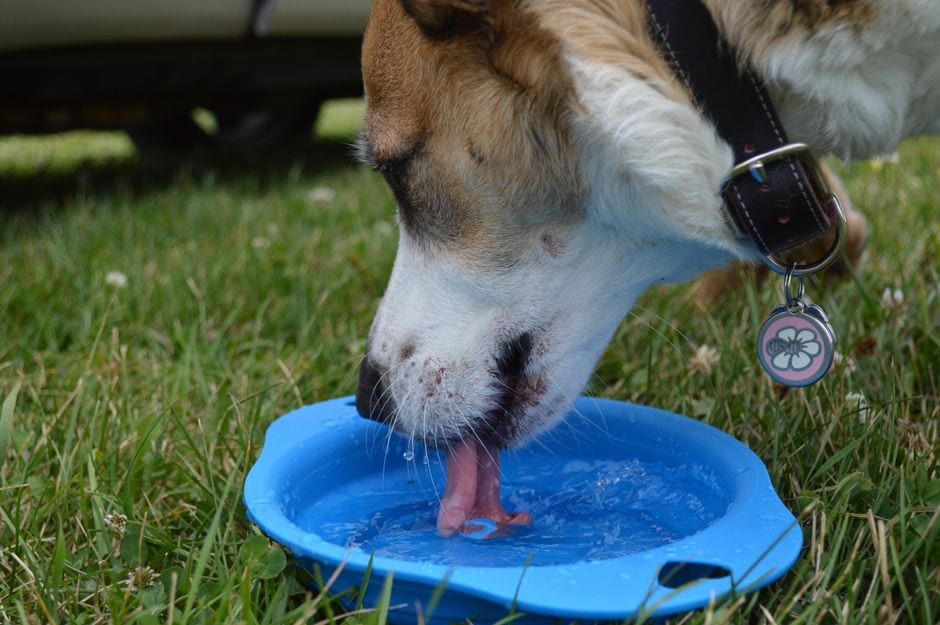 Photo by Doug Brown on Pexels |
Coat and skin care are equally important, whether your dog has short fur or a coat that tangles easily.
Brush at a frequency suited to the coat, check paws after outdoor adventures, and inspect ears without putting objects deep inside them.
Sudden itching, hair loss, odor, or persistent ear discomfort deserves veterinary attention instead of repeated home remedies.
Preventive care is one of the most valuable appointments on the calendar.
Don't overlook preventive care
Discuss vaccinations, parasite prevention, dental health, and age-appropriate screening with a veterinarian who knows your dog.
Because recommendations vary by location and lifestyle, no single prevention schedule fits every animal.
Make it a habit to notice small changes in appetite, drinking, energy, bathroom habits, or behavior.
These observations can help a veterinarian understand a problem earlier, even when a dog otherwise seems cheerful.
Keep an updated identification tag and confirm that microchip contact information is current, particularly before travel or holidays.
At home, store medications, cleaners, and potentially dangerous foods out of reach of curious noses.
Finally, protect time for companionship, rest, and predictable routines.
A comfortable place to sleep and calm interaction with familiar people are important parts of daily life.
The most useful health routine is the one you can maintain.
Choose one or two improvements this week, then build from there while keeping your veterinarian involved in medical decisions. |
0 Comments
Join the conversation
Be the first to comment
Share your thoughts above.